Welcome to Elite Eye Hospital.
Welcome to Elite Eye Hospital.

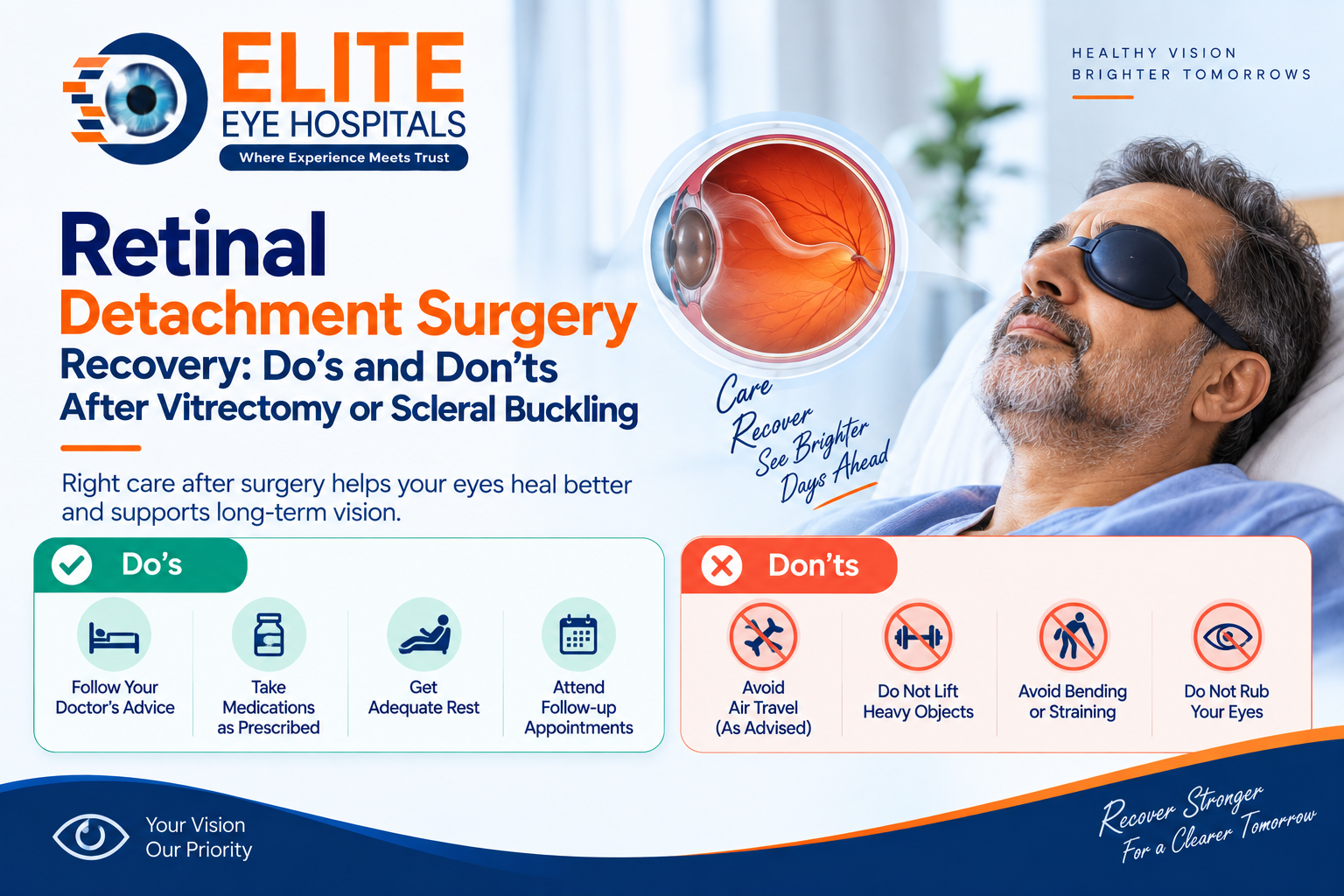
Being told that you need retinal surgery can be frightening. The word "detachment" alone is enough to make most people worry about their eyesight. Then, after the surgery is over, another set of questions usually begins.
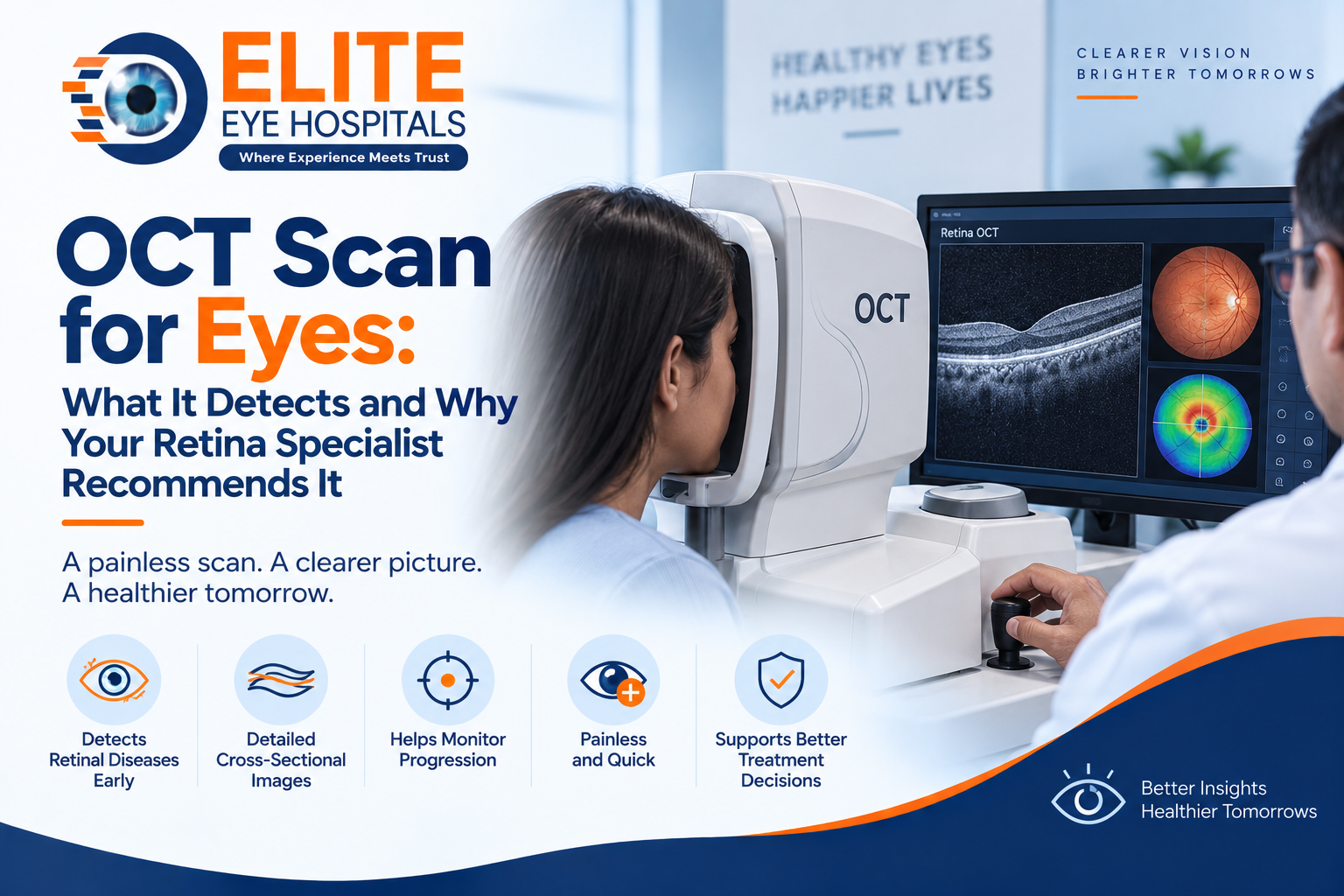
There is something reassuring about an eye test that doesn't hurt. You sit in front of a machine, look at a target for a few seconds, and the scan is over. There are no injections, no needles and usually no discomfort. Yet that quick examination can give an eye specialist a surprisingly detailed view of structures inside your eye.
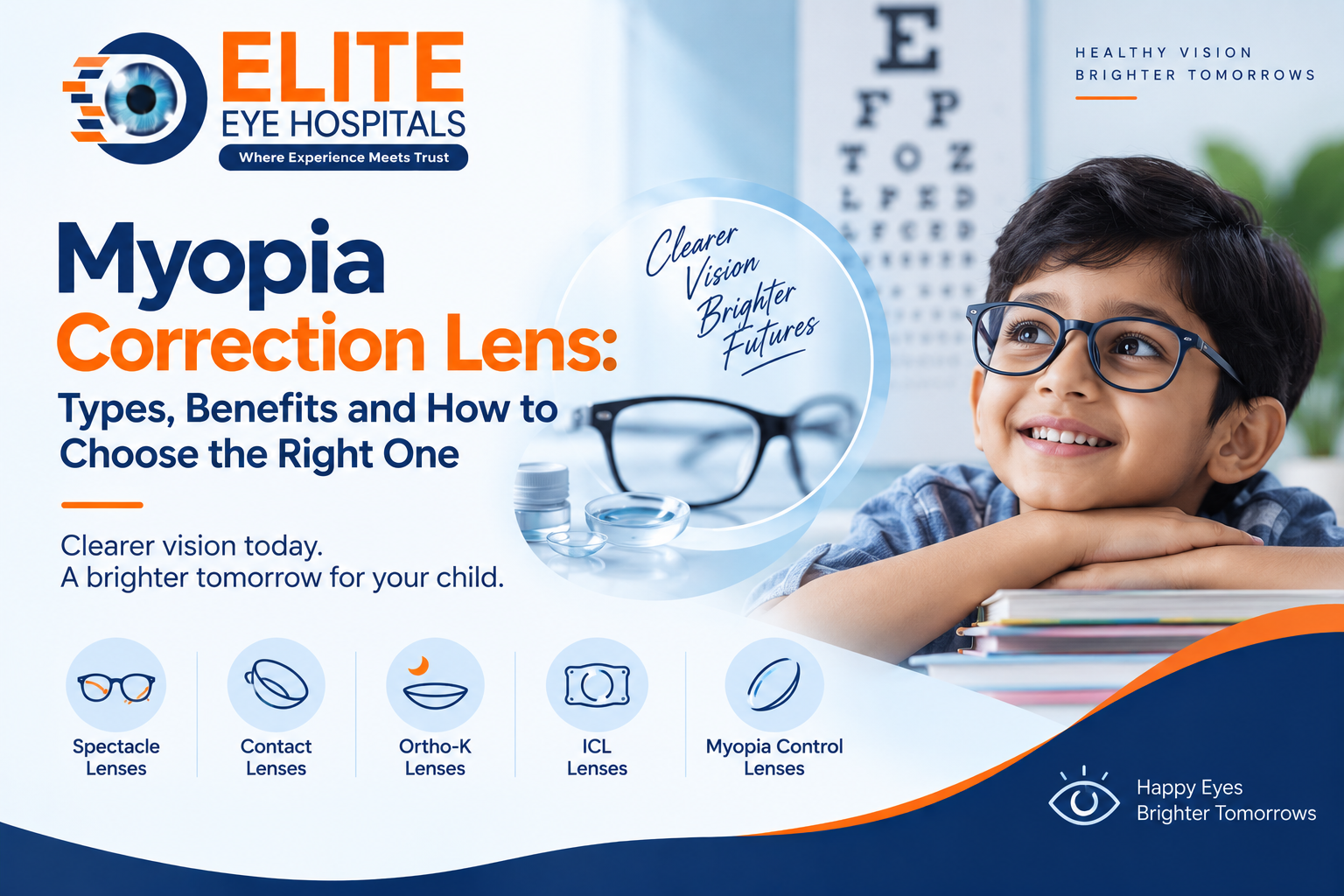
The first time a child is told that they need glasses, parents usually have the same reaction. "Will the power keep increasing?" It is a fair question. Maybe the child has started sitting closer to the television. Maybe they cannot read what is written on the classroom board from the back of the room. Perhaps they keep complaining that distant objects look blurry.
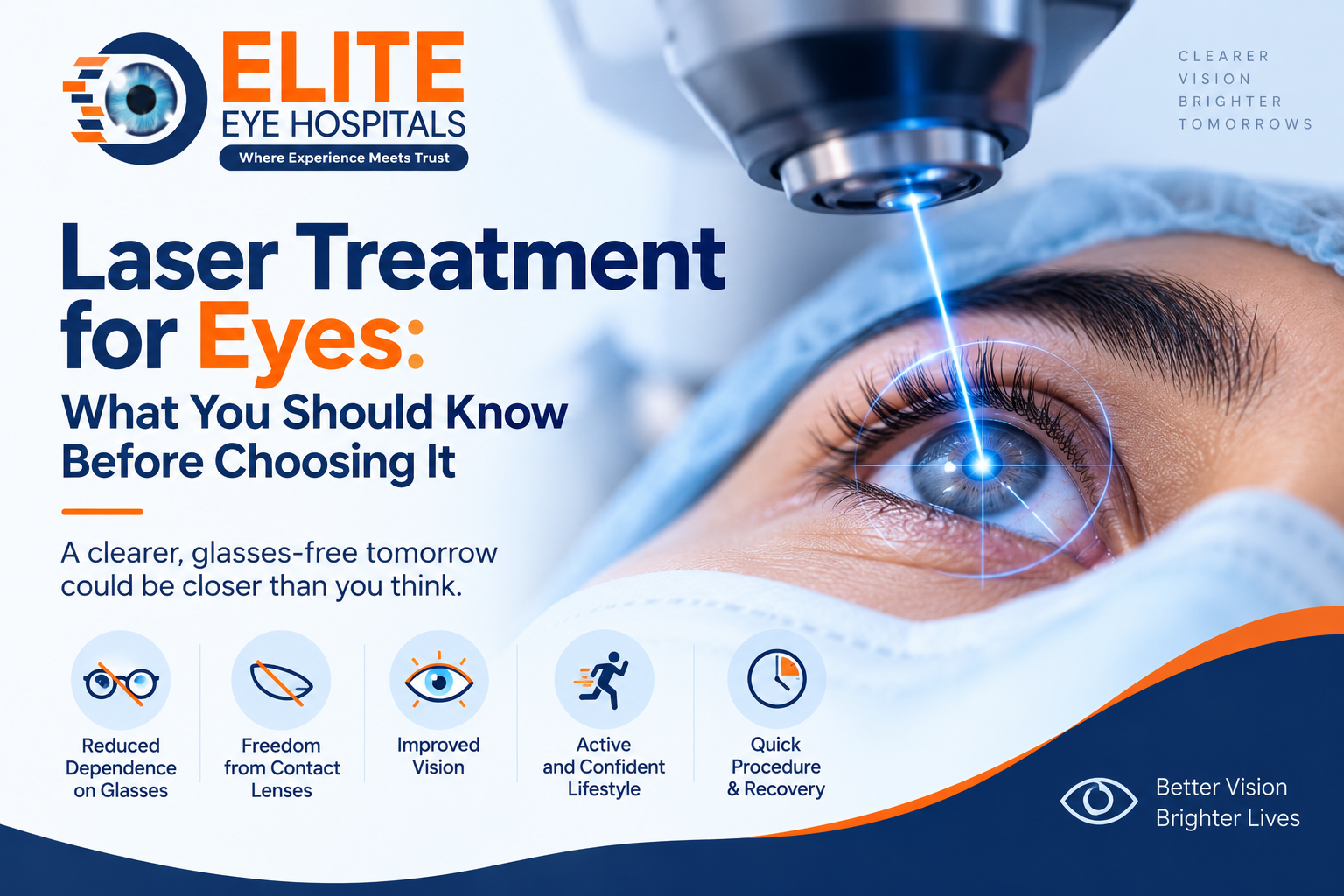
There is a point when wearing glasses stops feeling like a small inconvenience. Maybe you have been wearing them since school. Maybe you have switched to contact lenses because you don't like spectacles. Or perhaps you simply want to wake up in the morning without searching for your glasses before you can properly see the room.
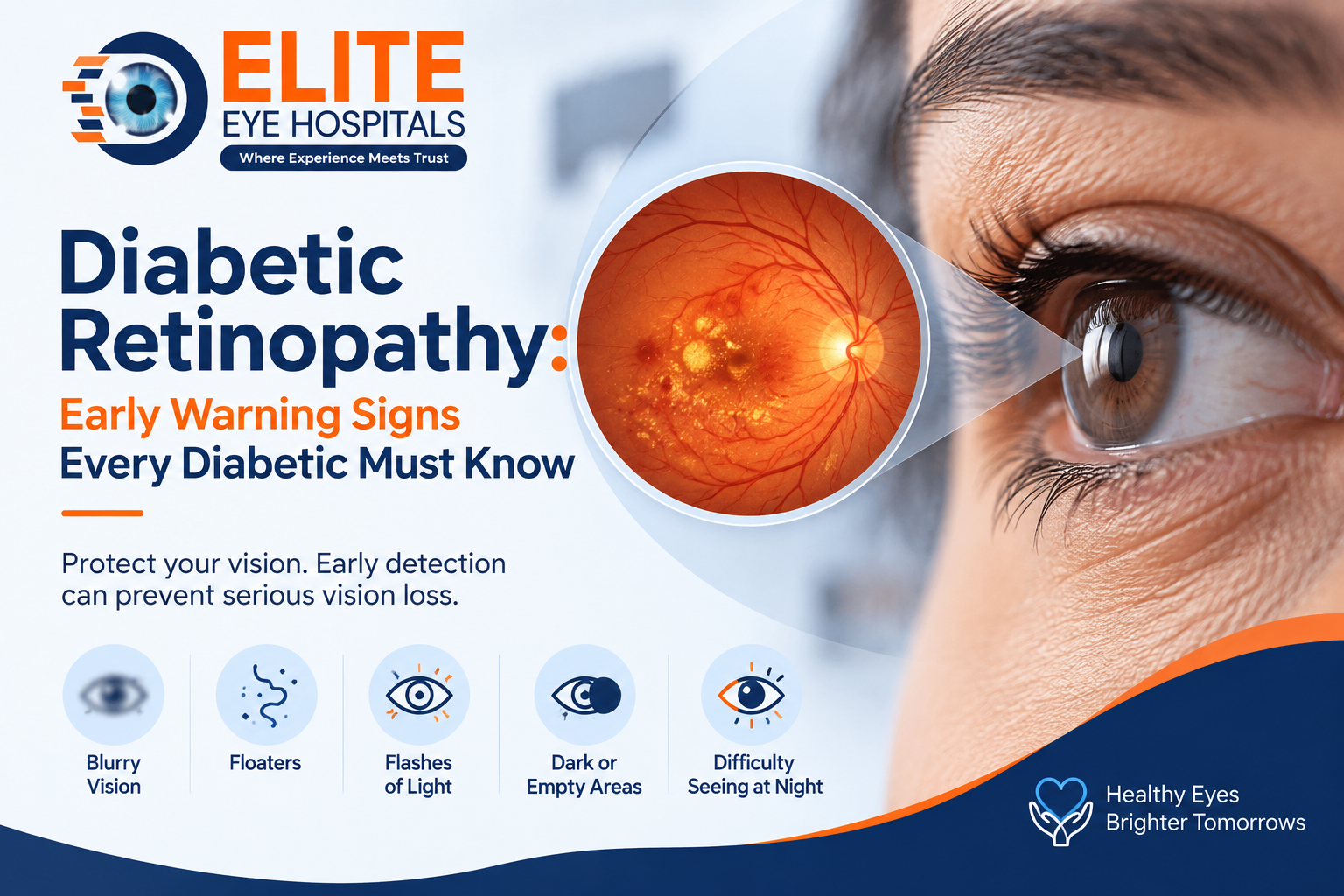
There is a frustrating thing about diabetic eye problems. Your vision can appear perfectly fine while changes are quietly taking place inside the eye. You may be reading your phone normally. You may be driving to work, watching television, or doing your usual routine without noticing anything unusual. Because there is no obvious pain, it is easy to assume that your eyes are fine.
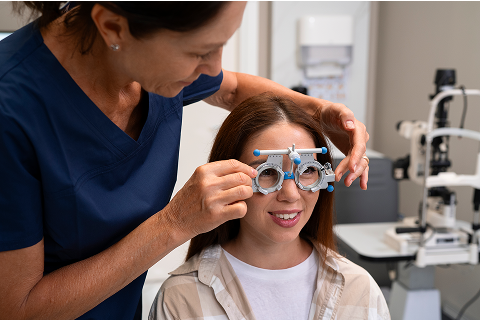
That question has led many people to explore laser treatment for eyes. Laser vision correction has become an important option for people with refractive errors such as myopia, hyperopia and astigmatism. But the decision is not as simple as choosing a procedure from a list. LASIK, SMILE and other laser-based procedures work differently. Not every patient is suitable for every treatment. Your cornea, prescription, eye health, age, lifestyle and expectations all have a role in deciding what is appropriate. So if you're considering laser treatment for your eyes, the first step shouldn't be choosing a laser procedure. It should be understanding your eyes.
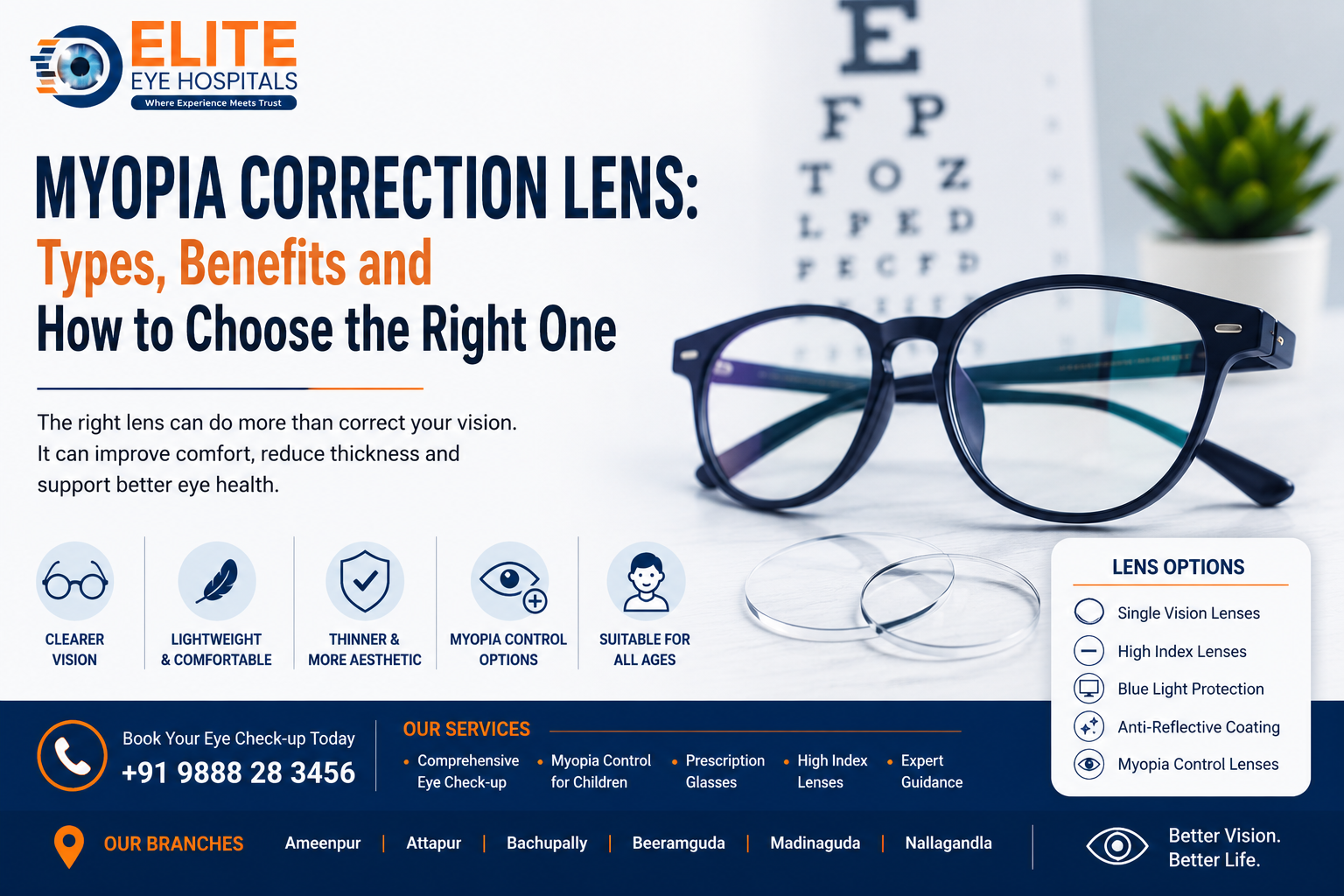
What Is a Myopia Correction Lens? Myopia, or short-sightedness, makes distant objects appear blurred while nearby objects are usually clearer. A myopia correction lens is designed to compensate for this focusing problem. For conventional glasses, this is generally done using a concave or minus-powered lens. The lens changes the path of incoming light so that it can focus correctly on the retina. You don't need to understand the optics to use the glasses successfully.
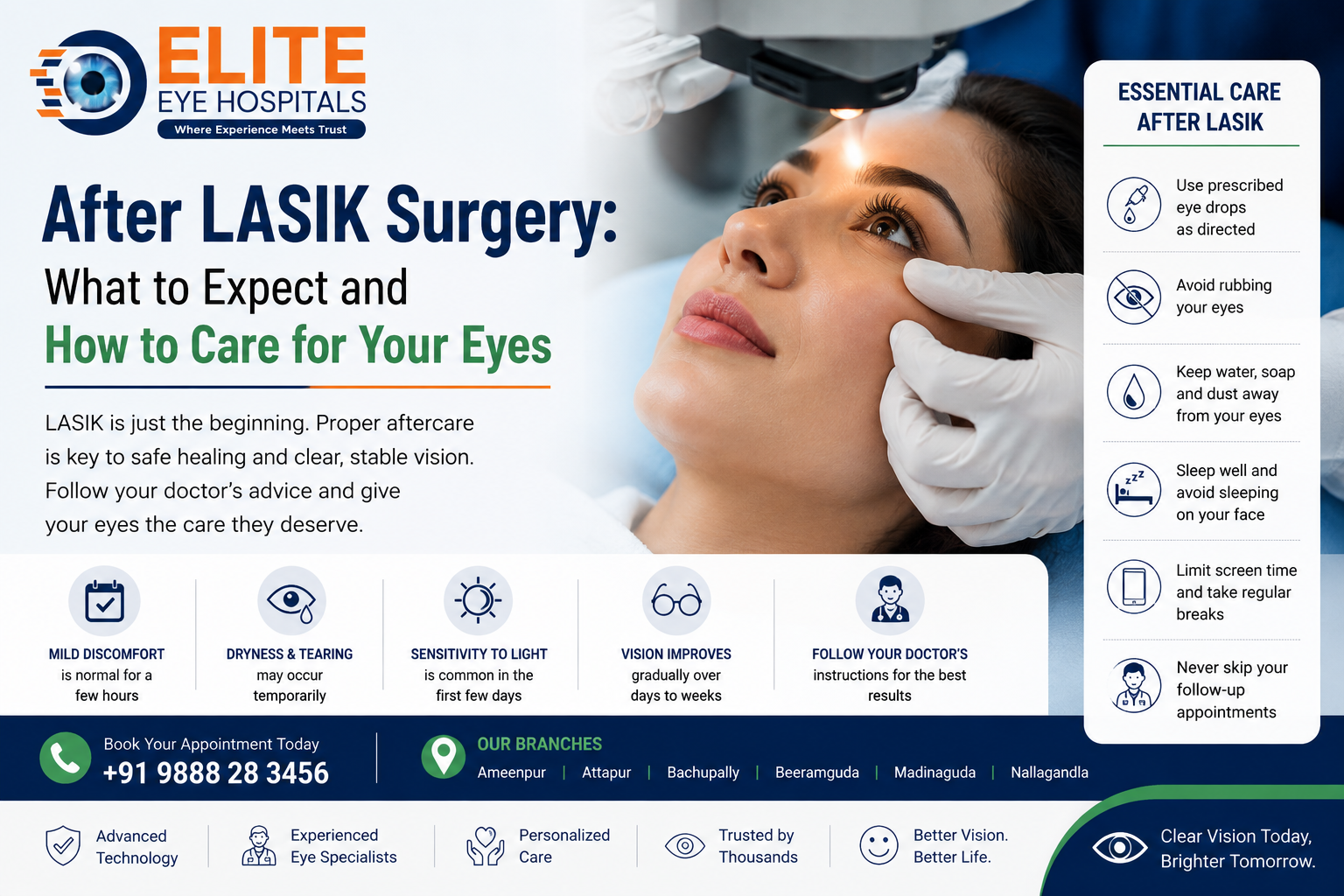
The surgery is over. You sit up, look around, and suddenly realise that the glasses you have depended on for years are no longer sitting on your face. For a few seconds, everything can feel a little strange. The vision may not be perfectly sharp yet. Your eyes may feel watery or slightly irritated. You may be more aware of lights than usual. And somewhere in the back of your mind, there is probably another question. "Am I taking care of my eyes properly now?" That question matters. People spend a lot of time researching LASIK before the procedure. They compare hospitals, read about technology, ask about the LASIK surgery cost, and worry about whether the procedure will hurt. But once the surgery is finished, the conversation changes. Now the important thing is recovery. Knowing what to expect after LASIK surgery can make those first few days much less confusing. It can also help you recognise which changes are part of normal healing and which ones should be discussed with your ophthalmologist.
You are sitting at the back of a room and the writing on the board isn't quite clear. You can make out the general shape, but the smaller words are frustratingly difficult to read. You move a little closer, narrow your eyes, or wait for someone beside you to tell you what it says. It may not seem like a big problem. Then you step outside and realise you cannot read a distant sign clearly either. For some people, this has been happening since childhood. For others, it becomes noticeable during school or college. Some only discover it when they start spending long hours in front of a computer. This is myopia, commonly called short-sightedness or near-sightedness.
What Is SMILE Eye Surgery? SMILE stands for Small Incision Lenticule Extraction. The name sounds complicated, but the basic idea is easier to understand. The procedure uses a specialised femtosecond laser to create a small, precisely shaped piece of tissue, called a lenticule, within the cornea. The surgeon then removes this lenticule through a small opening. Removing that tissue changes the shape of the cornea and alters the way light is focused inside the eye. The aim is to correct certain refractive errors, particularly myopia, and in appropriate cases astigmatism as well.
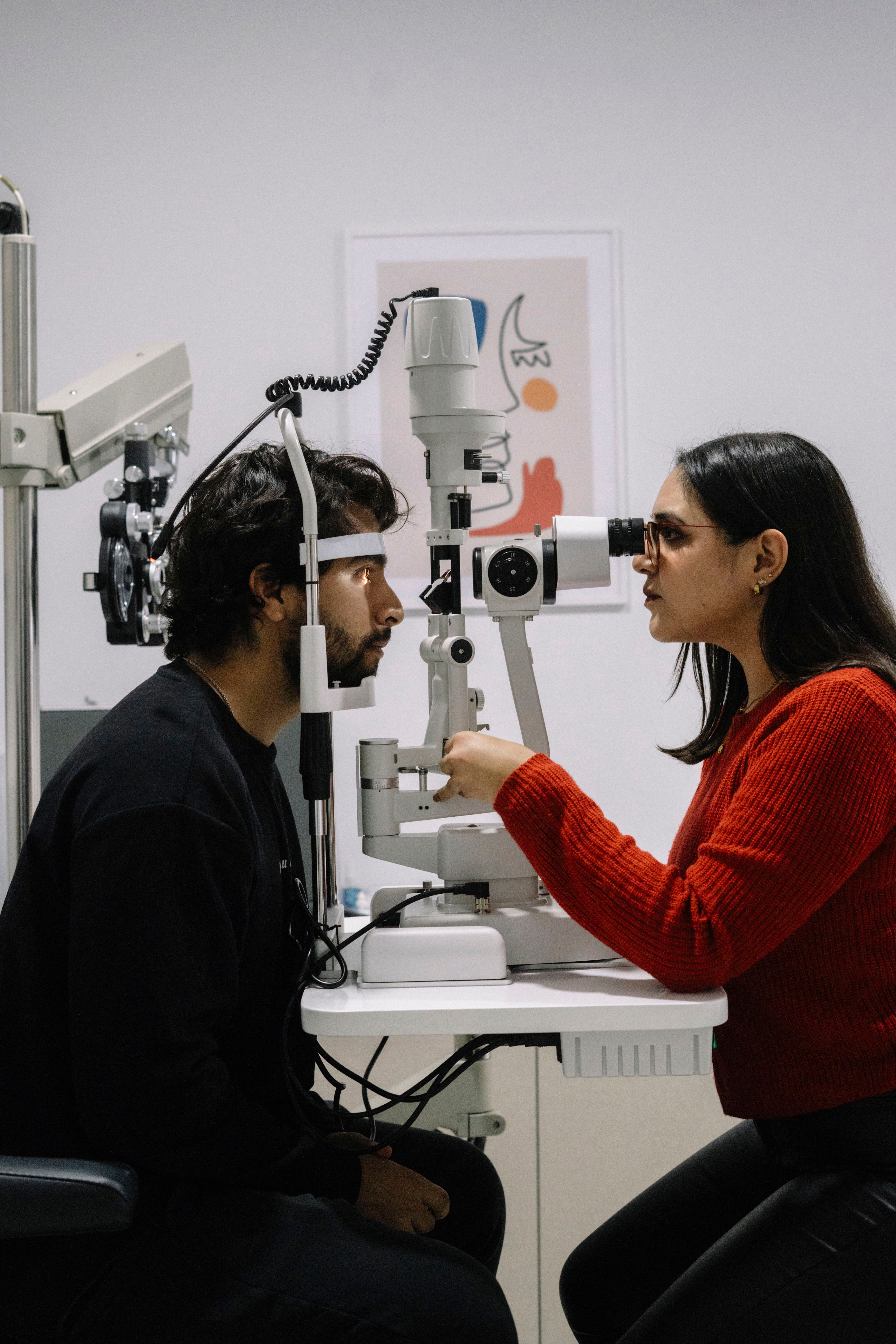
Is LASIK Surgery Safe? This is usually the first question asked during a consultation. The honest answer is that LASIK has been successfully performed for many years and is considered a well-established procedure for carefully selected patients. Notice the important words there. Carefully selected. Safety doesn't begin inside the laser room. It begins long before that. Before recommending surgery, ophthalmologists examine much more than your spectacle power. The examination goes far beyond reading letters on an eye chart. Your doctor checks how healthy the front of the eye is, whether the cornea is suitable for treatment, how stable your vision has been over time, and whether there is anything that could affect healing afterwards.
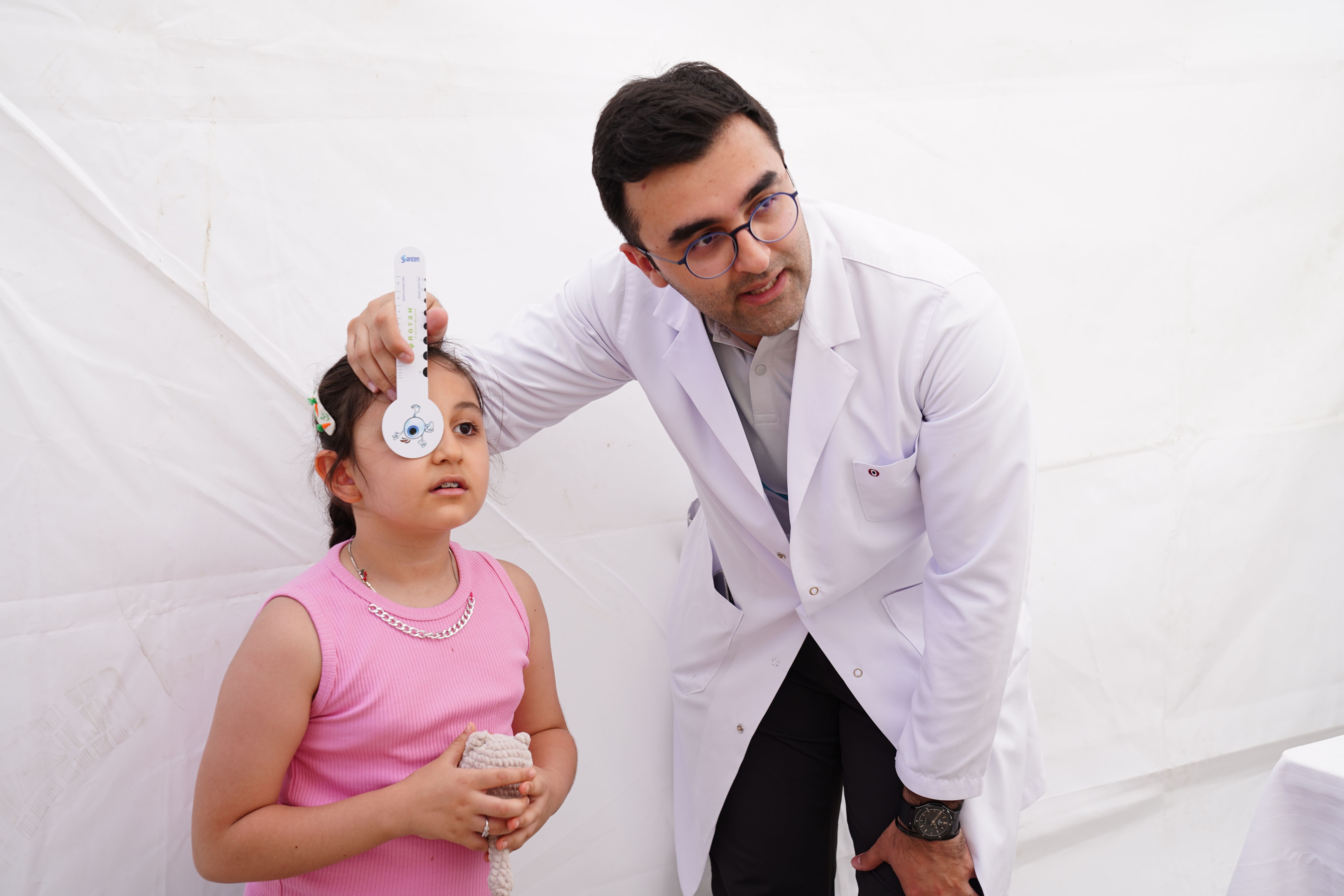
Your Vision Isn't as Sharp as It Used to Be Most people notice this gradually. Street signs become slightly harder to read. Words on your phone don't look as crisp. You find yourself increasing the font size without even thinking about it.
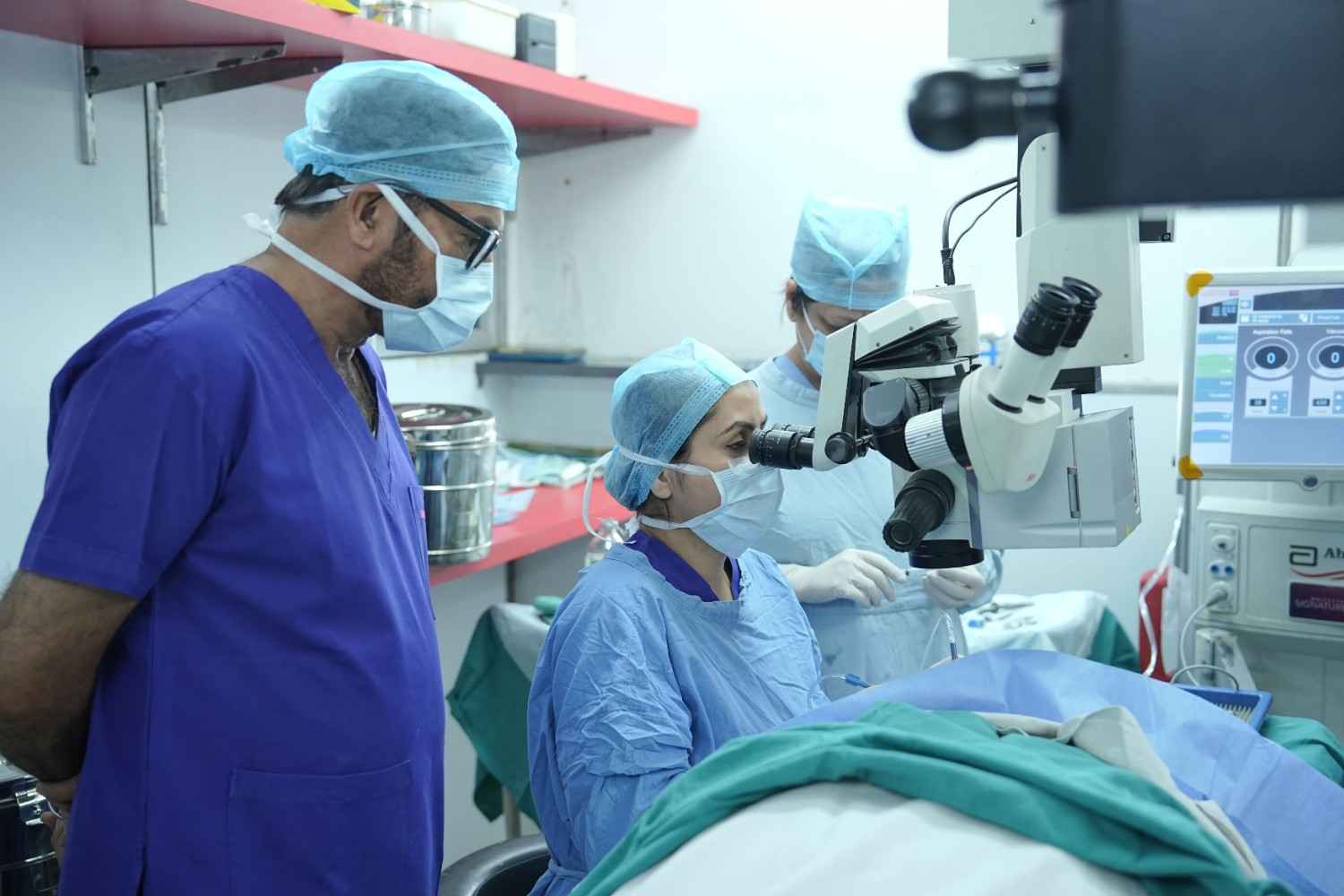
If you've been searching for Cataract Surgery in Hyderabad, you're probably looking for more than a definition. You're trying to understand whether the changes you're experiencing deserve attention.

Imagine yourself reaching home every evening, and your eyes feel exhausted. Not painful enough to visit a doctor, but not comfortable either. You may blame your office air conditioning for the dryness. Some days you may think you need more sleep. On weekends, the discomfort almost disappeared, only to return every Monday morning. When you finally visit an eye specialist, the cause was surprisingly simple. It wasn't a serious eye disease. It was Digital Eye Strain, something the doctor sees in countless patients every week. Scenarios like these will be incredibly common.
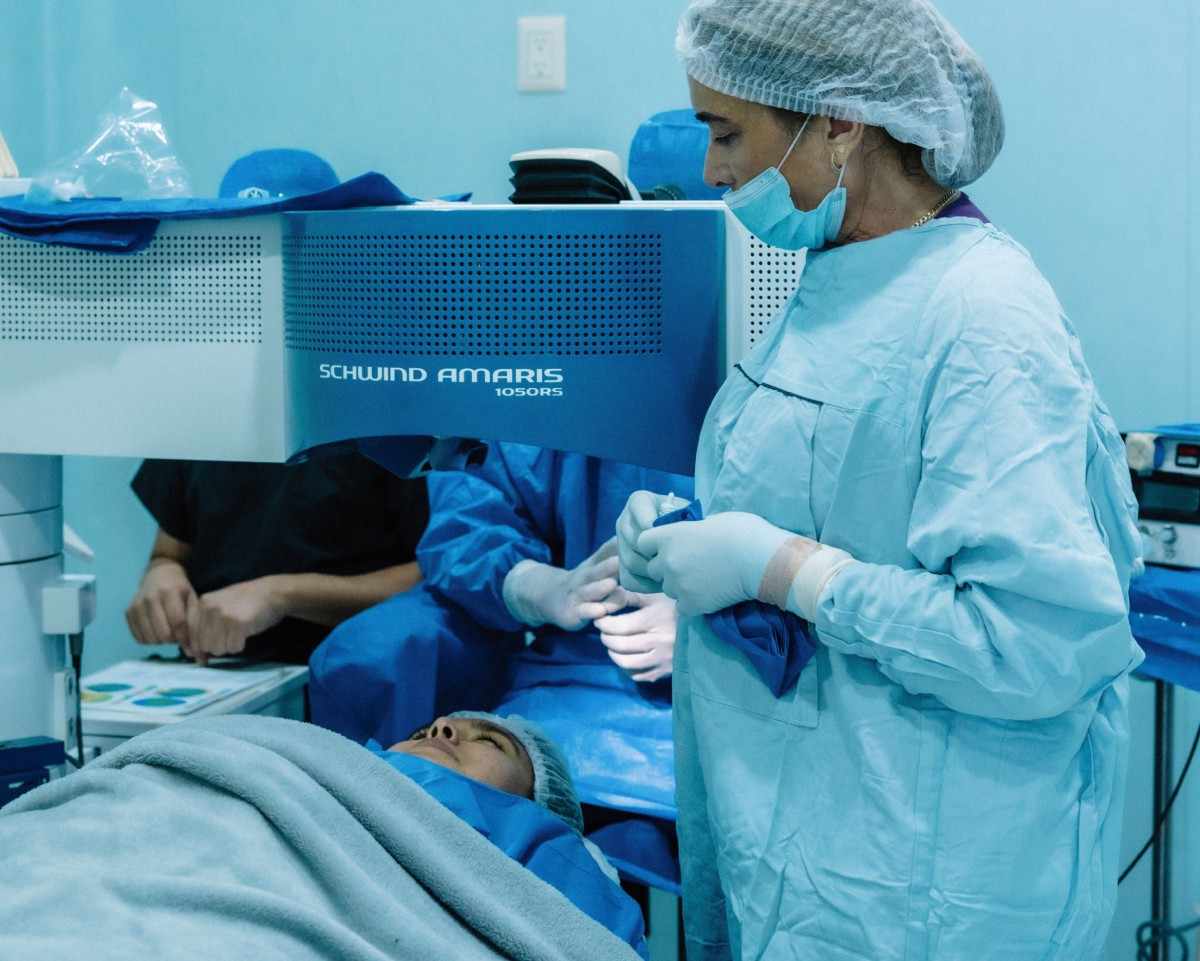
The first thing many people say during a LASIK consultation isn't, "How much does it cost?" It's something much simpler. "Doctor... is it really safe?" That single question carries years of hesitation. Maybe you've worn glasses since childhood. Maybe contact lenses have become part of your daily routine. Or perhaps you're simply tired of cleaning your spectacles every few minutes during the rainy season or searching for them the moment you wake up. Whatever the reason, if you've been searching for LASIK Eye Surgery in Hyderabad, chances are you're not looking for cosmetic change. You're looking for convenience.

For many people, the first thought when they notice blurry vision is, “I’ll just drop by the nearest optical shop and get my glasses.”

Computer Vision Syndrome (CVS), also known as digital eye strain, is a group of eye and vision-related problems resulting from prolonged use of computers, tablets, e-readers, and Smartphone.

Your eyes are your windows to the world — but sometimes, those windows start to blur without you even realizing it. Weak eyesight can creep in slowly, and if you’re not paying attention to the signs, it might affect your work, driving, or even daily life. The good news? If you know what to watch for, you can act early and protect your vision.

Elite Eye Hospitals is committed to delivering world-class eye care with advanced technology, experienced ophthalmologists, and compassionate treatment across all our branches.
Copyright 2026 © Elite Eye Hospital, All Rights reserved. Powered by SyraPro